
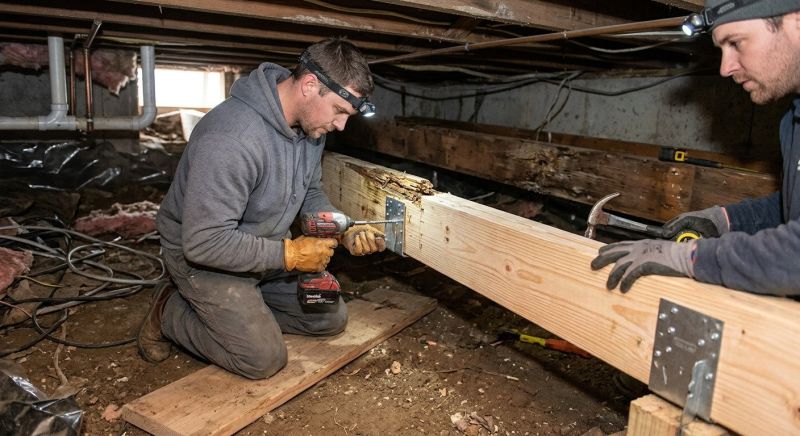
Sagging Floor Joist Repair in Kansas City, KS
Sagging floor joist repair services address issues where the structural beams supporting a floor become weakened, damaged, or lose their ability to bear weight properly. This type of repair is often needed in residential properties experiencing uneven or sagging floors, creaking sounds, or visible gaps between the floor and walls. Projects may include replacing or reinforcing existing joists, installing new supports, or adding additional framing to restore stability and levelness to the flooring system. Homeowners typically want to understand the extent of the damage, the methods used for repair, and how the work can improve safety and functionality within their living spaces before requesting service.
Before requesting sagging floor joist repair, property owners should consider the age of the home, the severity of the sagging, and any signs of structural distress such as cracked walls or uneven flooring. It is also useful to evaluate whether the issue is localized or widespread, as this influences the scope of repairs needed. Understanding the potential causes-such as moisture damage, wood rot, or overloading-can help in planning effective solutions. Clear communication about the specific problem areas and desired outcomes can assist in determining the most appropriate repair approach for maintaining the integrity of the home's flooring system.
Many property owners in Kansas City, KS look into Sagging Floor Joist Repair for repairs, replacements, upgrades, and appearance-related improvements.
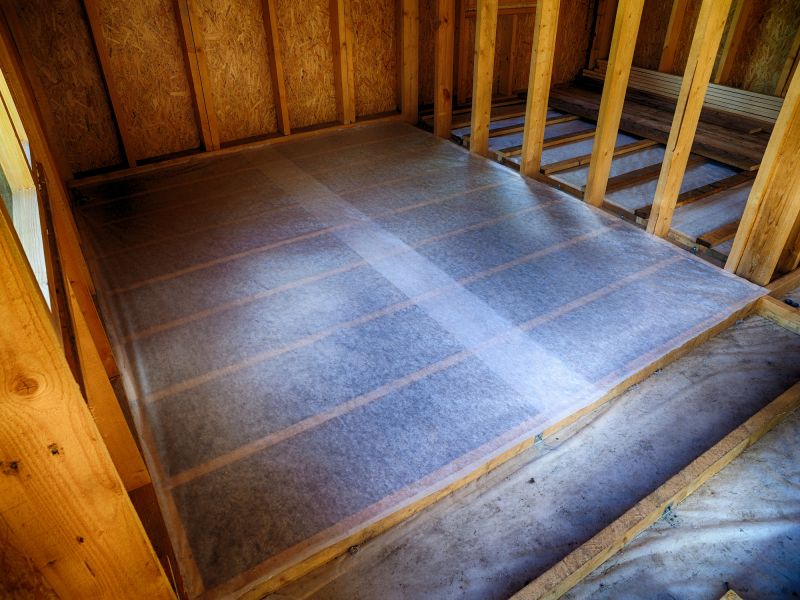
Signs Of Sagging Floors
Uneven or creaking floors can indicate underlying joist issues that need attention.
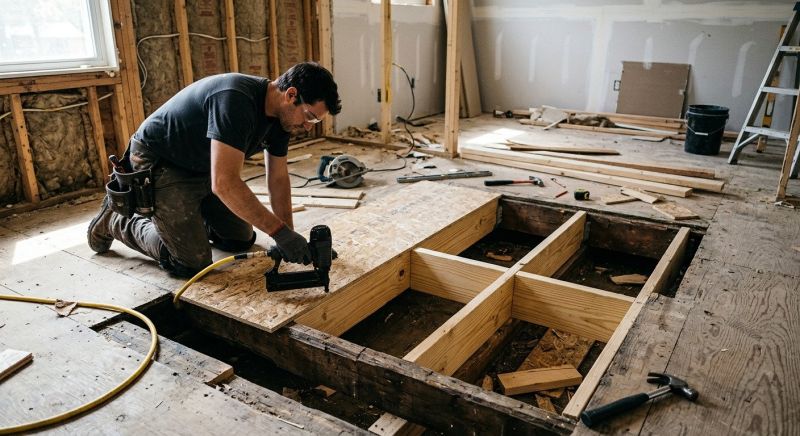
Common Causes Of Joist Sagging
Aging, moisture damage, and heavy loads are frequent factors contributing to floor joist deterioration.
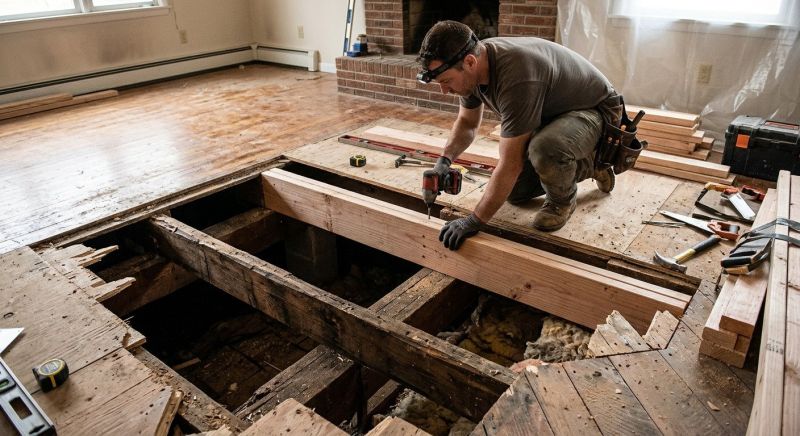
Repair Options For Sagging Joists
Restoration methods include sistering, reinforcement, or replacement to restore stability and safety.
Sagging Floor Joist Repair in Kansas City, KS
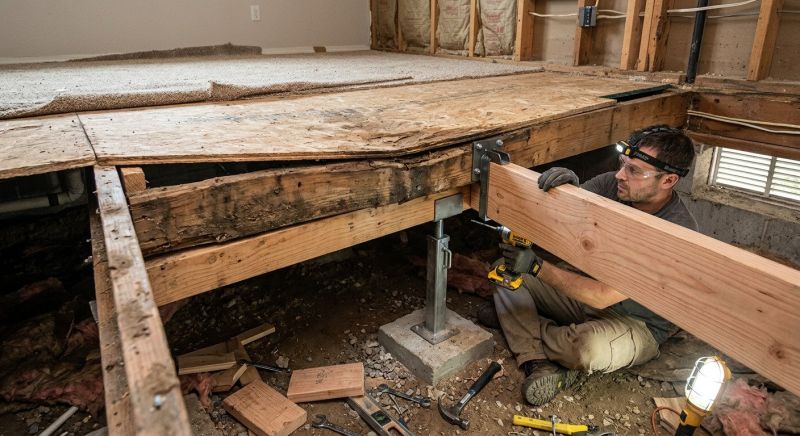
Sagging floor joist repair services address issues where the structural beams supporting a floor become weakened, damaged, or lose their ability to bear weight properly. This type of repair is often needed in residential properties experiencing uneven or sagging floors, creaking sounds, or visible gaps between the floor and walls. Projects may include replacing or reinforcing existing joists, installing new supports, or adding additional framing to restore stability and levelness to the flooring system. Homeowners typically want to understand the extent of the damage, the methods used for repair, and how the work can improve safety and functionality within their living spaces before requesting service.
Before requesting sagging floor joist repair, property owners should consider the age of the home, the severity of the sagging, and any signs of structural distress such as cracked walls or uneven flooring. It is also useful to evaluate whether the issue is localized or widespread, as this influences the scope of repairs needed. Understanding the potential causes-such as moisture damage, wood rot, or overloading-can help in planning effective solutions. Clear communication about the specific problem areas and desired outcomes can assist in determining the most appropriate repair approach for maintaining the integrity of the home's flooring system.
Many property owners in Kansas City, KS look into Sagging Floor Joist Repair for repairs, replacements, upgrades, and appearance-related improvements.
Common Sagging Floor Joist Repair Jobs
Sagging Floor Joist Repair - Restores stability to floors that have begun to sag or feel uneven.
Floor Support Reinforcement - Adds support to prevent further joist movement and maintain level flooring.
Joist Replacement - Replaces damaged or severely sagging joists to ensure structural integrity.
Subfloor Stabilization - Fixes loose or uneven subfloors caused by compromised joists.
Structural Assessment - Evaluates the extent of sagging and recommends effective repair strategies.
Foundation and Pier Support - Addresses underlying issues contributing to joist sagging for long-term stability.
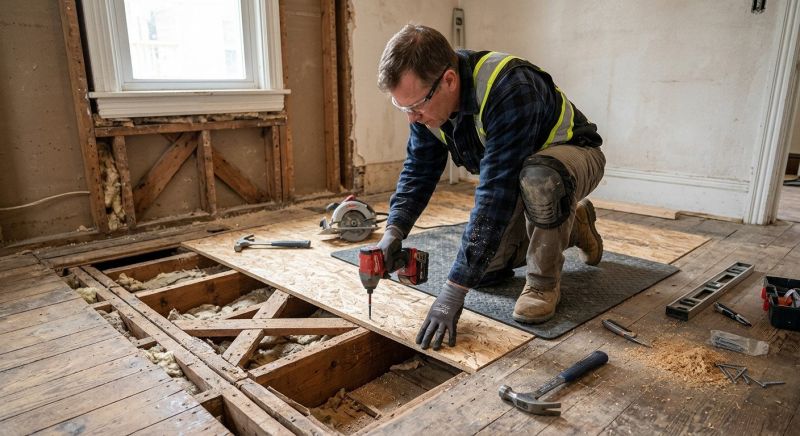
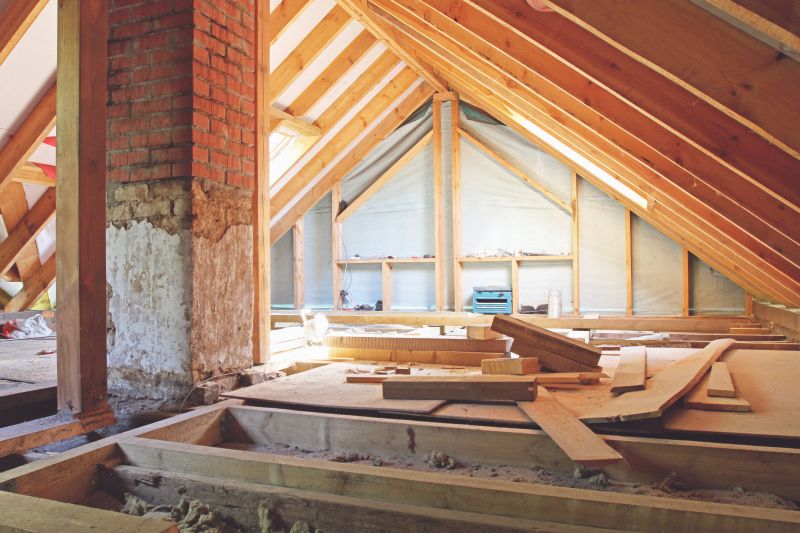
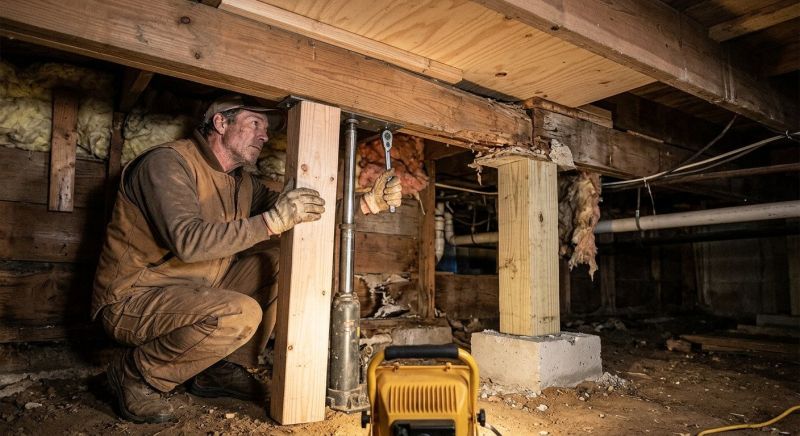
Sagging Floor Joist Repair Questions
What causes a sagging floor joist? Sagging floor joists are often caused by prolonged moisture exposure, wood rot, or structural overload, which weaken the support over time.
How can I tell if my floor joist is sagging? Signs include noticeable dips or uneven flooring, creaking sounds, or gaps between the floor and walls.
What are common repair methods for sagging joists? Repairs typically involve sistering new joists alongside damaged ones, installing support beams, or replacing compromised sections.
Is sagging floor joist repair disruptive? Repair work can vary in scope, but it generally involves minimal disturbance to the property, focusing on structural reinforcement.
Request Sagging Floor Joist Repair in Kansas City, KS
Use the quote form on this page to share the basics of your project and request more information for the type of work you need.